




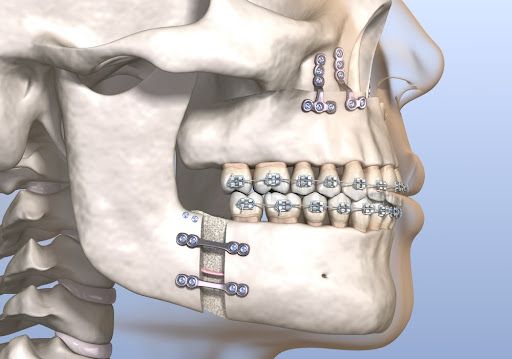
When people hear about jaw surgery, they often think of it as a corrective measure for something that has gone wrong—pain, misalignment, or a visible imbalance. While that’s true, it only tells part of the story. In many cases, jaw surgery is not just about fixing problems—it’s about optimizing how the entire jaw system functions.
The difference between “working” and “working well” can have a major impact on daily life. From how efficiently you chew to how comfortably you speak, jaw function plays a bigger role than most people realize.
What “Normal Function” Actually Means
A healthy jaw system allows for smooth, coordinated movement without strain. This includes:
- effortless opening and closing
- even contact between teeth
- balanced muscle activity
- stable joint movement
When everything is aligned properly, these actions happen automatically. You don’t think about chewing, talking, or swallowing—they just feel natural.
When Function Is Technically “Okay” But Not Optimal
Some patients don’t have severe pain or obvious issues, but still experience subtle inefficiencies, such as:
- tiring quickly while chewing
- slight discomfort after long conversations
- uneven pressure on certain teeth
- mild tension in the jaw or face
These signs can indicate that the jaw system is functioning, but not in a balanced or efficient way. Over time, even small inefficiencies can lead to larger problems.
The Role of Alignment in Efficiency
Jaw alignment directly affects how forces are distributed during movement. When alignment is off, even slightly, the body compensates.
This can lead to:
- certain muscles working harder than others
- uneven loading on the joints
- gradual wear on teeth
- increased fatigue during normal activities
Improving alignment isn’t just about correcting position—it’s about reducing unnecessary strain across the entire system.
How Jaw Surgery Enhances Coordination
In cases where structural imbalance is present, Jaw Surgery can help restore proper coordination between the jaws, joints, and muscles.
The goal is to create a system where:
- the bite is stable and even
- the joints move without restriction
- muscles operate efficiently without overcompensating
When these elements are in sync, everyday activities become easier and more comfortable.
The Impact on Speaking and Communication
Jaw function plays a key role in speech. Subtle misalignment can affect how the tongue and lips interact with the jaw during communication.
After structural correction, some patients notice:
- clearer articulation
- less fatigue during long conversations
- improved control over speech patterns
While these changes may seem small, they can make a noticeable difference in professional and social settings.
Eating as a Functional Benchmark
One of the simplest ways to measure jaw function is through eating. A well-functioning jaw allows you to chew efficiently without thinking about it.
After proper alignment, patients may experience:
- smoother chewing motion
- less effort required to break down food
- improved comfort with a wider range of foods
This not only improves the eating experience but can also support better digestion over time.
Long-Term Efficiency vs Short-Term Relief
Many treatments focus on relieving symptoms, such as reducing pain or relaxing muscles. While this is important, it doesn’t always address the underlying inefficiency in the system.
Jaw surgery focuses on:
- correcting the structural foundation
- improving how the system functions as a whole
- reducing the need for ongoing compensation
This shift from symptom relief to functional improvement is what makes the results more sustainable.
The Subtle Improvements That Add Up
Not all benefits of improved jaw function are dramatic. In fact, many are subtle but meaningful:
- less tension at the end of the day
- more comfort during routine activities
- reduced awareness of the jaw during movement
- greater overall ease in daily life
These small improvements can add up to a significant enhancement in quality of life.
Final Thoughts
Jaw surgery is often viewed as a solution for major problems, but its value goes beyond correction. By improving alignment and coordination, it enhances how the jaw system functions on a daily basis.
When the jaw works efficiently, everything feels easier—from eating and speaking to simply going through the day without discomfort. And that level of ease is something most people don’t fully appreciate until it’s restored.